Benefits of Professional RV Exterior Maintenance
Table of Contents
Last Updated: October 12, 2026
Why Professional RV Exterior Maintenance Matters
The benefits of professional RV exterior maintenance go far beyond a clean-looking vehicle.
Neglected exteriors lead to expensive problems. A small roof seal crack becomes a water leak. Faded paint exposes bare metal to rust. Compromised seals let moisture into walls and cabinetry.
Professional RV exterior maintenance catches these problems early, protecting your investment, extending your vehicle's lifespan, and keeping your family safe.
Preventing Paint, Clear-Coat, and Weather Damage
Your RV's paint and clear-coat layers are its first defense against the elements.
Professional RV exterior maintenance removes contaminants before they bond, using products and techniques that won't scratch the finish, then applies protective coatings against future damage.
DIY washing with a hose and household soap often does more harm than good: improper pressure, harsh chemicals, or abrasive scrubbing strip wax and create micro-scratches that trap dirt.
Pro Tip Road salt and mineral deposits from hard water are invisible to the eye but accelerate paint damage. Professional detailing removes these contaminants completely, not just the visible dirt.
RV Roof Inspection and Maintenance: The Foundation of Protection
Your RV roof is the most critical area for preventing water intrusion, taking the heaviest weather exposure and being hardest to inspect safely.
Roof inspection should happen at least twice yearly, especially before and after travel seasons. Professionals check:
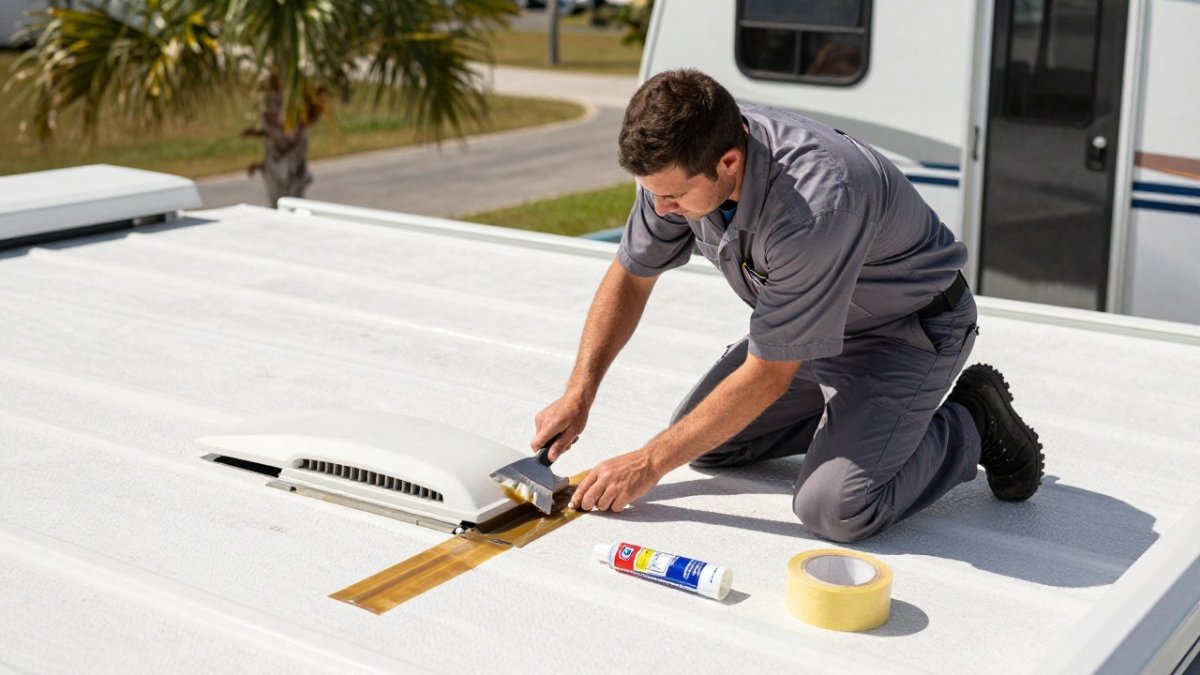
Sealant condition around vents, antennas, and seams
Cracks or splits in roof material
Pooling water or drainage issues
Deterioration of flashing and trim
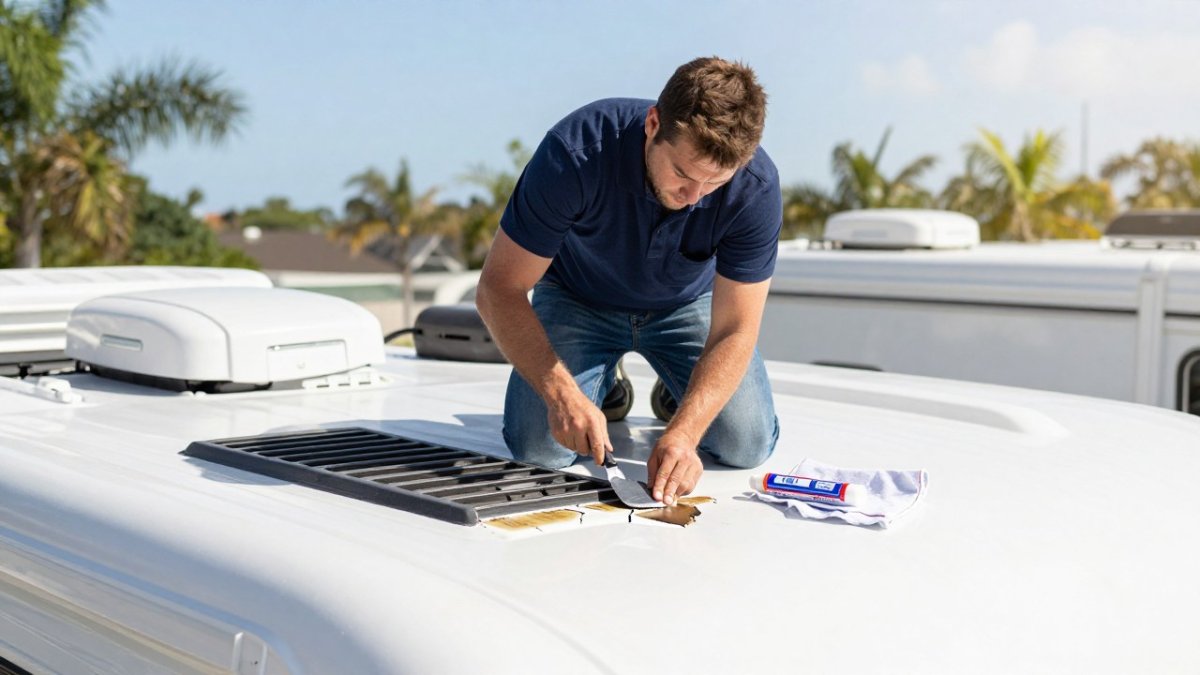
Professional maintenance includes resealing joints and vents with RV-grade sealant. This is not a DIY task, the wrong sealant or application creates gaps where water enters, leading to rot, mold, and structural failure that can total an RV.
Key Takeaway Water intrusion is the #1 cause of expensive RV damage. Preventive roof maintenance costs far less than water damage repair.

Protecting Seals and Preventing Water Intrusion
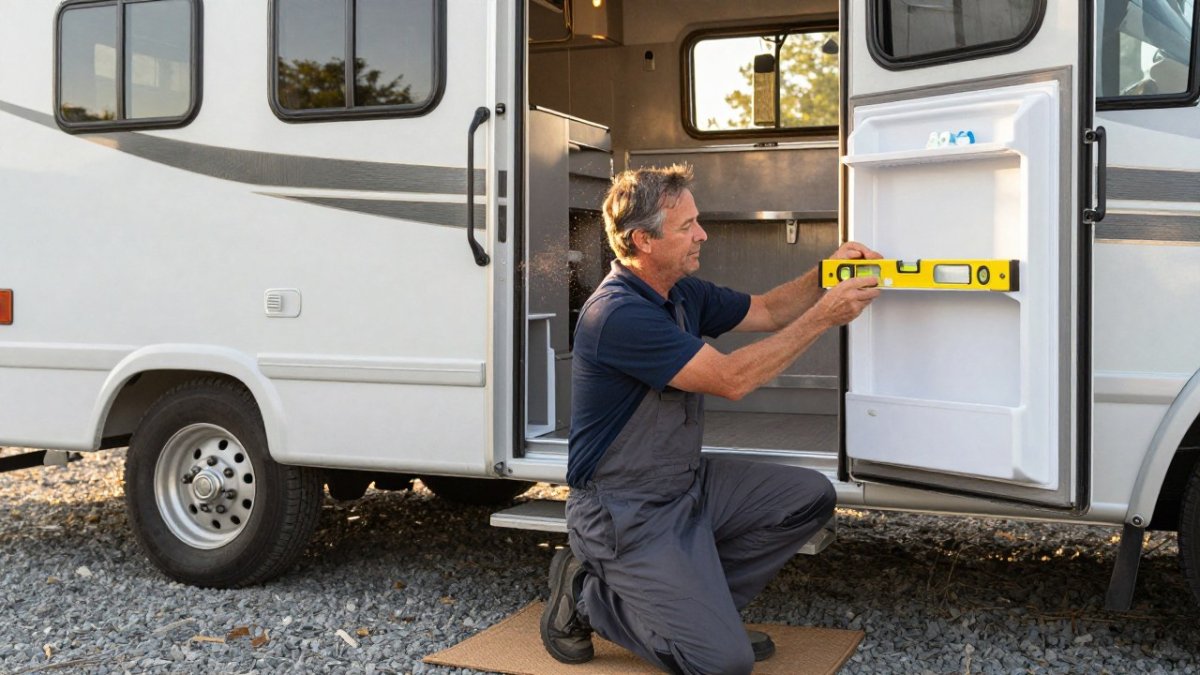
Seals around doors, windows, vents, and compartments are your RV's waterproofing system. They degrade from UV exposure, temperature changes, and mechanical stress.
RV 101®
Professional RV exterior maintenance includes seal inspection and replacement. Technicians check for:
Cracks or peeling in seal material
Gaps between seals and surfaces
Hardening or loss of flexibility
Mold or discoloration indicating past leaks
Replacing seals is preventive work that saves thousands. A failed window seal costs $200-400 to replace professionally; water damage from that same failure costs $2,000-5,000 or more.
Sharp RV Services inspects all exterior seals as part of professional maintenance, replacing them before they fail to keep your RV watertight.
Professional RV Detailing: What's Included and How It Differs
Professional RV detailing is not just a bigger wash. It's a material-aware process: products, pressure, and protection for a fiberglass sidewall are wrong for a rubber roof, painted aluminum, or vinyl graphics. That distinction is where most DIY efforts, and many low-cost wash services, cause damage they don't notice for months.
What a professional exterior detail actually includes
Full exterior wash with pH-neutral RV-specific soap
Bug, tar, and tree sap removal with dedicated solvents, not abrasive scrubbing
Paint decontamination, iron remover and clay treatment to pull embedded particles
Surface-specific polishing or oxidation removal where needed
How care differs by material
Fiberglass and gelcoat. Gelcoat is porous and oxidizes faster than automotive paint.
Painted aluminum. The paint layer is thinner than fiberglass and chips at edges and rivets.
Vinyl and painted decals. Graphics fade, crack, or peel first.
Rubber (EPDM) and TPO roofs. These common roof materials are not painted surfaces.
Seals, gaskets, and trim. Rubber seals need a silicone- or water-based conditioner, not a petroleum product, which swells and degrades them.
Where DIY stops working
DIY washing handles light dust and road film. It stops being adequate when:
Oxidation has dulled the gelcoat or paint
Tree sap, tar, or bug residue has bonded to the surface
Decals are lifting or cracking
Roof sealant is chalking, cracking, or pulling away
At that point, the wrong product or too much pressure does more damage than doing nothing. A technician with the right equipment and surface knowledge cleans without scratching, protects without stripping, and inspects while working.
Watch Out Pressure washing an RV yourself is risky. Too much pressure drives water past seals and lifts decals. Too little leaves bonded contaminants behind. The correct pressure and nozzle vary by surface, fiberglass, aluminum, rubber, and vinyl all have different tolerances.
Key Takeaway The single biggest difference between a DIY wash and professional detailing is material awareness. The right product for one surface is the wrong product for another, and the damage from getting it wrong often shows up months later as oxidation, lifting graphics, or a leak.
DIY RV Washing vs. Professional Detailing: When to Call the Experts
DIY washing has a place in RV maintenance. Rinsing off surface dust between trips keeps dirt from building up. But there's a big difference between rinsing and thorough cleaning.
Call for professional service when:
Your RV hasn't been detailed in over a year
You see tree sap, bug residue, or oxidation on paint
You're preparing to travel for an extended trip
You're planning to sell or trade your RV
You notice any cracks, separation, or seal deterioration
Professional RV exterior maintenance is worth the investment, extending your vehicle's life, protecting safety systems, and preserving resale value. For RV owners in Pinellas County, Sharp RV Services brings professional detailing to your location, no need to transport your RV to a shop.
Watch Out Pressure washing an RV yourself is risky. Too much pressure damages seals and paint. Too little pressure doesn't clean properly. Professionals know the right pressure for each surface.
Creating Your RV Exterior Maintenance Checklist
Most RV exterior advice stops at "maintain it regularly", a slogan, not a schedule. What prevents water intrusion, oxidation, and premature seal failure is a written checklist with fixed intervals, specific inspection points, and a record you can hand to a buyer or technician.
Use the cadence below as a baseline, then adjust for your climate and storage situation.
Monthly walk-around (15-20 minutes)
Walk the full perimeter and look for new dents, scrapes, or impact damage.
Press on each roof lap sealant bead you can safely reach from a ladder, it should feel pliable, not brittle or chalky.
Check door, window, and compartment seals for gaps, cracking, or peeling.
Look under the RV for fresh rust streaks, drips, or staining that suggests a leak above.
Confirm slide-out wiper seals are seated and free of debris.
Before and after every trip
Wash the exterior to remove bug splatter, tree sap, and road film before it etches.
Rinse the undercarriage, wheel wells, and rear cap, especially after winter travel where road salt is used.
Inspect the roof from a ladder for new cracks, lifted sealant, or debris that can trap moisture.
Check all roof penetrations: vents, skylights, antennas, AC units, and plumbing stacks.
Look at the front cap and windshield for rock chips that can spread.
Quarterly (every 3 months)
Deep clean and apply a protective wax, sealant, or ceramic coating appropriate to your surface type.
Inspect all sealant joints on the roof and sidewalls; touch up any that are cracked, pulling away, or discolored.
Check the undercarriage for rust, corrosion, or loose fasteners.
Lubricate slide-out seals and rubber gaskets with an RV-safe conditioner.
Inspect awning fabric and hardware for UV damage and fraying.
Twice yearly (spring and fall)
Full professional roof inspection and reseal of any suspect joints.
Inspect all exterior seals around windows, doors, storage bays, and utility hookups.
Check roof material for chalking, cracking, or separation from the substrate.
Verify drainage, no pooling water around vents or AC units.
Test all exterior lights, marker lights, and the brake controller connection.
Annually
Professional exterior detail with paint decontamination, clay treatment if needed, and protective coating.
Full seal replacement on any seal showing hardening, cracking, or loss of flexibility.
Undercarriage inspection and rust treatment if you travel in winter climates.
Document everything, date, task, product used, and any issues found.
Adjusting for climate and storage
High UV (Southwest, Florida, desert): Shorten wax and coating intervals to every 2-3 months. UV breaks down clear coat faster than any other factor.
Coastal salt air: Rinse the exterior and undercarriage monthly, not quarterly. Salt accelerates corrosion on aluminum and steel components.
Humid climates: Inspect seals and roof sealant monthly. Humidity drives mold growth in any compromised joint.
Freezing climates: Before first freeze, verify all seals are intact, freeze-thaw cycles open small cracks into leaks.
Long-term storage: Cover or shade the RV, disconnect batteries, and inspect monthly for rodent damage, moisture intrusion, and sealant deterioration. A stored RV still needs eyes on it.
Pro Tip Photograph your roof and seals every six months from the same angles. Side-by-side photos reveal slow deterioration, chalking, hairline cracks, sealant shrinkage, that's invisible in a single glance.
Task | Frequency | DIY or Professional | Why It Matters |
Visual exterior walk-around | Monthly | DIY | Catch impact damage and new leaks early |
Exterior wash | Before/after each trip | DIY | Remove contaminants before they etch |
Undercarriage rinse | Monthly in salt/coastal climates | DIY or Professional | Prevent rust and corrosion |
Roof and sealant inspection | Twice yearly | Professional | Water intrusion is the #1 cause of major RV damage |
Deep detail and protective coating | Annually | Professional | Preserve clear coat and resale value |
Seal replacement | As needed | Professional | Wrong sealant or application creates new leak paths |
Slide-out seal conditioning | Quarterly | DIY | Keeps wipers sealing and sliding smoothly |
Keep a log, paper or digital, of every task, product, and observation. When you sell, that log is proof of care. Buyers and inspectors treat documented maintenance as a reliability signal, and it supports a higher asking price than an RV with no history.
Preserving Resale Value and Long-Term Reliability
An RV with a well-maintained exterior commands a higher resale price. Buyers see clean paint, intact seals, and no visible damage as signs of overall care.
Professional RV exterior maintenance protects your investment. Regular detailing and inspection:
Keep paint and clear coat protected from UV and oxidation
Prevent water damage that ruins interiors and structures
Catch mechanical problems before they become expensive
Document care history that buyers trust
The benefits of professional RV exterior maintenance compound. Year one, you prevent paint damage. Year two, you catch a small roof leak before it spreads.
When you're ready to sell, your RV's condition reflects the care you've invested. A well-maintained exterior means higher offers and faster sales.
Frequently Asked Questions
How often should an RV exterior be professionally cleaned?
Most RV owners benefit from professional exterior cleaning every 6 to 12 months, depending on travel frequency and climate exposure. If you travel frequently or park in areas with heavy tree cover, road salt, or intense sun, more frequent cleaning prevents buildup that can damage paint and seals. A professional can recommend a schedule based on your specific usage and storage conditions.
What does professional RV exterior maintenance include?
Professional RV exterior maintenance typically includes thorough washing and rinsing of all exterior surfaces, roof inspection and cleaning, seal examination around windows and doors, checking for cracks or water intrusion signs, and protective treatments for paint and clear coat. Many services also include pressure washing with appropriate techniques to avoid damage, inspection of exterior components like vents and trim, and documentation of the RV's condition for your records.
Can professional RV detailing help prevent leaks?
Yes. Professional detailing includes seal inspection and maintenance that catches early signs of deterioration before they become costly leaks. Regular professional service identifies cracks, worn caulking, and compromised seals around the roof, windows, and doors. Addressing these issues early prevents water intrusion that can damage interior structures, insulation, and systems, problems far more expensive to repair than preventive maintenance.
Is professional RV detailing worth the cost?
Professional RV detailing delivers measurable value by preventing premature wear, avoiding expensive water damage repairs, and preserving resale value. The cost of routine professional maintenance is significantly lower than repairing damage from neglect, such as roof leaks, paint failure, or seal failure. For RV owners who travel frequently or store their vehicle outdoors, professional detailing protects both the appearance and structural integrity of their investment.
Your RV is a significant investment and your home on the road. Protecting its exterior is protecting your safety, comfort, and financial security. Sharp RV Services provides professional RV exterior maintenance that comes to you. We inspect, clean, and protect your vehicle with the expertise and equipment that DIY methods can't match. Get in touch with our team to schedule your professional detailing and start protecting your RV today.
Comments